Deceased Estate Removals In Sydney: How Property Contents Are Safely Managed & Relocated
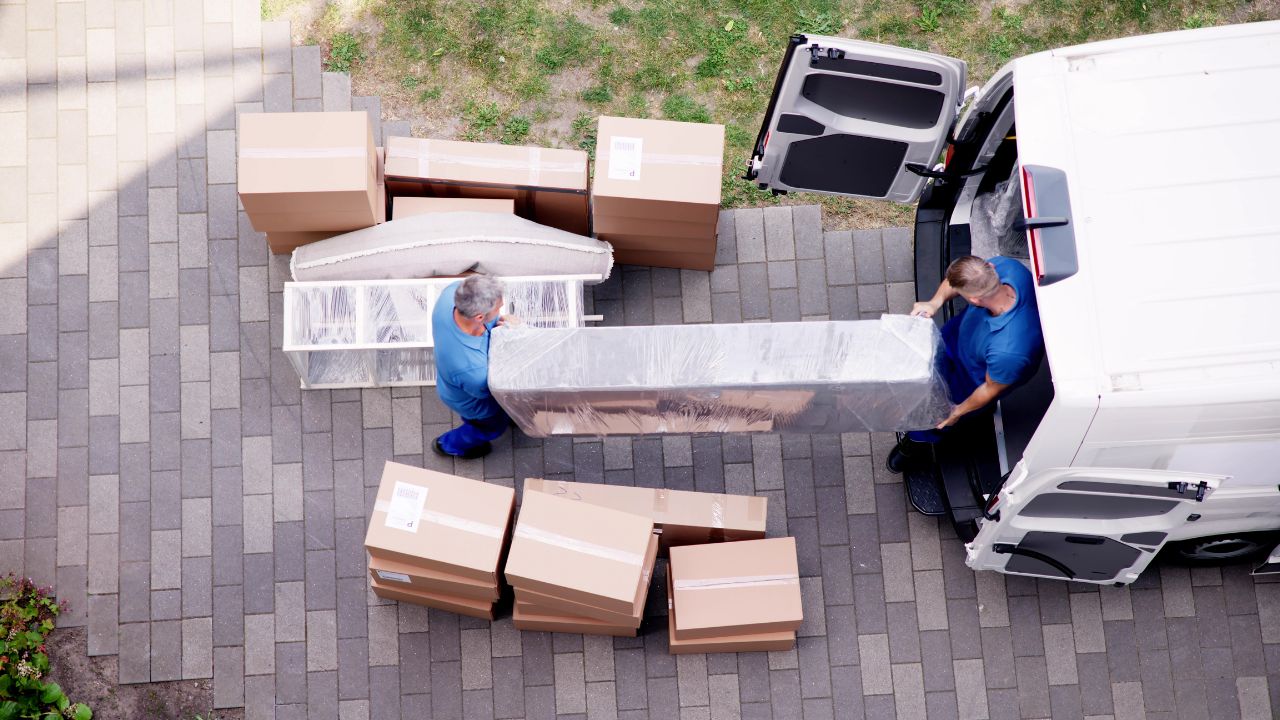
Managing a loved one’s physical legacy after their passing can feel overwhelming. Alongside the emotional weight, there are often practical responsibilities to navigate, including property timelines and family expectations, which can add further pressure during an already difficult time.
Reaching out to professionals who specialise in deceased estate removals in Sydney can provide much-needed support. By handling the careful relocation of furniture and personal belongings, they help ease the burden so you can focus on what matters most. In this article, we explain how deceased estate removals work, the differences between removal, clearance and clean-up services and what to consider when managing logistics, valuables and legal requirements in New South Wales.
What are deceased estate removals and how do they work?
The estate removals process NSW executors follow involves transporting furniture, heirlooms and personal effects from the deceased’s home to various secondary locations. This process is deeply rooted in the instructions left in a will or the decisions made by beneficiaries.
The process usually begins with an inventory assessment, followed by a coordinated logistics plan that respects the emotional sensitivity of the situation.
What is the difference between estate removals, clearance and clean up?
Deceased estate furniture removals specifically focus on the items being kept or relocated. In contrast, estate clearance and clean up involve the removal of unwanted items, rubbish and debris to prepare the property for sale or rent. Most families find that a combination of both services provides the most efficient path to settling the estate.
How should furniture and personal valuables be handled?
When coordinating estate relocation services, Sydney families should prioritise protecting high-value and sentimental assets by treating every item with care beyond a standard move. This starts with creating a precise inventory to ensure all bequeathed items reach the correct beneficiaries without confusion. Personal valuables should be secured in labelled containers, while larger furniture items should be professionally wrapped. Entrusting these tasks to professional estate removalists ensures that bulky items are navigated safely through the property.
The logistics of timing, insurance and NSW regulations
Managing an estate requires a firm grasp of timing and legalities to ensure the process remains compliant.
Strategic timing
The best time to arrange removals is after the executor has obtained the necessary authority and beneficiaries have clearly identified their items. Coordinating this before the final property clean-up ensures that no “kept” items are accidentally cleared.
Transit and liability insurance
Given the sentimental and financial value of estate contents, insurance is non-negotiable. Ensure your provider offers comprehensive transit insurance to cover any unforeseen damage.
NSW regulations and probate
In New South Wales, executors must act in accordance with the Succession Act 2006. While removalists handle the physical labour, the executor ensures that the distribution of assets aligns with the legal timeline of probate, protecting the estate from potential disputes.
Do you need assistance managing an estate in New South Wales?
Managing an estate can be daunting, but you don’t have to do it alone. Deceased Estate Sydney brings over decades of expertise to help you manage every detail with professional care.
Contact our team today for a no-obligation quote and let us help you through this sensitive process.